
Policy learning and collaboration targeting driverless vehicles – Swedish policy makers in California
Activities are now ramping up in Sweden to pave the way for the deployment of driverless vehicles, both on the regulatory side and among cities and public transit operators. To learn from relevant experience in the San Francisco Bay Area and establish foundations for continued policy collaboration, Future Mobility organized a delegation in early October. Representatives from Transportstyrelsen (Swedish Transport Agency), Trafikverket (Swedish Transport Administration), Västtrafik (the public transport authority in West Sweden), the City of Helsingborg, Drive Sweden, Vinnova and Business Sweden took part in a very busy five-day program.
The first stop was Helm.ai, a company providing AI software for OEMs, Tier 1 suppliers and robotics companies. In the evening, the group met at the Nordic Innovation House for a presentation by Dr. Steve Shladover, who has played a significant role in the history of AVs.
The second day began with a visit to the California Public Utilities Commission, joined by the California State Transportation Agency and the California Department of Motor Vehicles, to discuss the state’s regulatory framework for deploying self-driving vehicles. In the afternoon, some of the Swedish visitors took part in a public seminar titled “Autonomous Vehicles and Public Transit: Bridging the Gap”. The event, which was organized by Future Mobility, was part of the SF Tech Week program and co-hosted by the Consulate General of Sweden in San Francisco.

SFMTA and CalSTA

Future Mobility’s Tech Week seminar
On Wednesday, the group met with the San Francisco Municipal Transportation Agency, which shared the city’s perspective on managing a completely new mode of transportation. This was followed by a visit to Applied Intuition, a company providing AI-based tools to the automotive industry.
Thursday brought a whirlwind tour of five companies – Tesla Robotaxi, Lucid Motors, Tensor Auto, Rivian and Zoox – each with its own perspective on tomorrow’s mobility. Needless to say, the group took every opportunity to try all the driverless options available in the area.

Tesla Robotaxi - Cybercab

Tensor Auto

Zoox
The final day offered a chance to see Waymo’s operations from the inside. Waymo is by far the largest robotaxi operator in San Francisco, with some 1,300 vehicles roaming the city, and the group was invited to see the highly complex back-office operations needed to keep the vehicles moving passengers 24/7.

Waymo’s depot
The week offered a unique opportunity to see driverless mobility, not as a future vision, but as an everyday reality – and to learn first-hand from the regulators, cities and companies making it happen. The participants returned to Sweden with valuable insights, new contacts and a shared understanding of both the opportunities and the challenges ahead. With activities ramping up in Sweden, these lessons and networks will be highly relevant as Swedish agencies, cities and transit operators prepare for the deployment of driverless vehicles at home.
Do you want to know more?

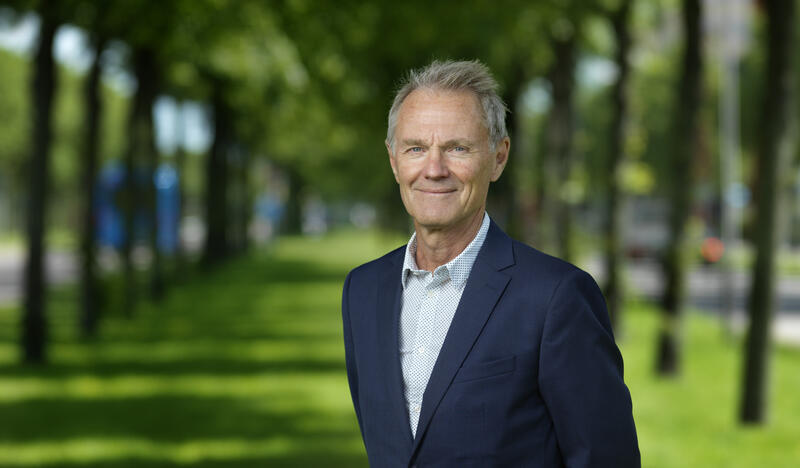
Hans Pohl
Jan Hellåker
News flow

Policy learning and collaboration targeting driverless vehicles – Swedish policy makers in California

Future Mobility Final Seminar

Moving Ideas: How the Sweden-California Mobility Pilot Proved the Value of Deep-Dive Innovation

Experience the unique vibe of Lindholmen Open Day on September 24

Advancing EV Battery Optimization Through Decentralized AI

50% Less CO₂ and 53% Lighter: Transatlantic Partnership Unlocks Unprecedented Climate Savings for Urban Transport

Standardizing Safety: New US-Swedish Collaboration Tackles Automotive Radar Interference

New Innovation Project: Translating European ERS Experience to the North American Heavy-Duty Market

How a New Innovation Project is Tackling the Auto Industry's Prototype Paralysis

Solar On the Pavement: The Swedish–American Quest to Turn Highways, Ports, Airports, and Bus Stations into Power Plants

Swedish-American Innovation Sprint: New SEK 15M Fund Targets Global Mobility and Societal Resilience

New Transatlantic Tool Simplifies Urban Planning by Turning Real-Time Data into Traffic Insights

New Project Will Advance AI-Powered Airbags for Children on Bikes

Gapwaves and Waymo partner to advance next-generation imaging radar for autonomous vehicles

New Project: Strategic Collaboration Between Sweden and California for Heavy-Duty Hydrogen Transport

Eleven transatlantic projects set to accelerate sustainable mobility

Data-Driven Urban Freight: Results from the US–Sweden Knowledge Exchange

Partners Showcase New Findings From California–Sweden Innovation Projects

How Cities Leverage Off-Peak Deliveries for Efficiency and Sustainability

Future Mobility co-host's panel at CoMotion LA
Webinar: What is happening in the USA regarding urban logistics?

AI, Cyber & Digital Infrastructure: Vinnova Opens Funding for Swedish-U.S. Partnerships

Sweden and California deepen cooperation on green transition

Preparing for the next step in urban mobility: insights from commercial robotaxi deployments

Tel: +46(0)70-840 27 40
Email: hans.pohl@lindholmen.se
Towards sustainable mobility
Innovation collaboration between Sweden and the United States
Keep up to date!
Invitations from Future Mobility
Add your email address to receive updates and invitations from Future Mobility. Take part of our privacy policy.